
So you've got a brilliant powder product idea and you're ready to take it from that first prototype batch to full-scale production. Exciting times ahead! But here's the thing: scaling up single serve powder packaging isn't just about making more of what you already have. It's a whole journey with some important stops along the way.
Let's walk through this step by step, because getting it right from the start can save you serious headaches (and cash) down the road.
First Things First: Know Your Packaging Options
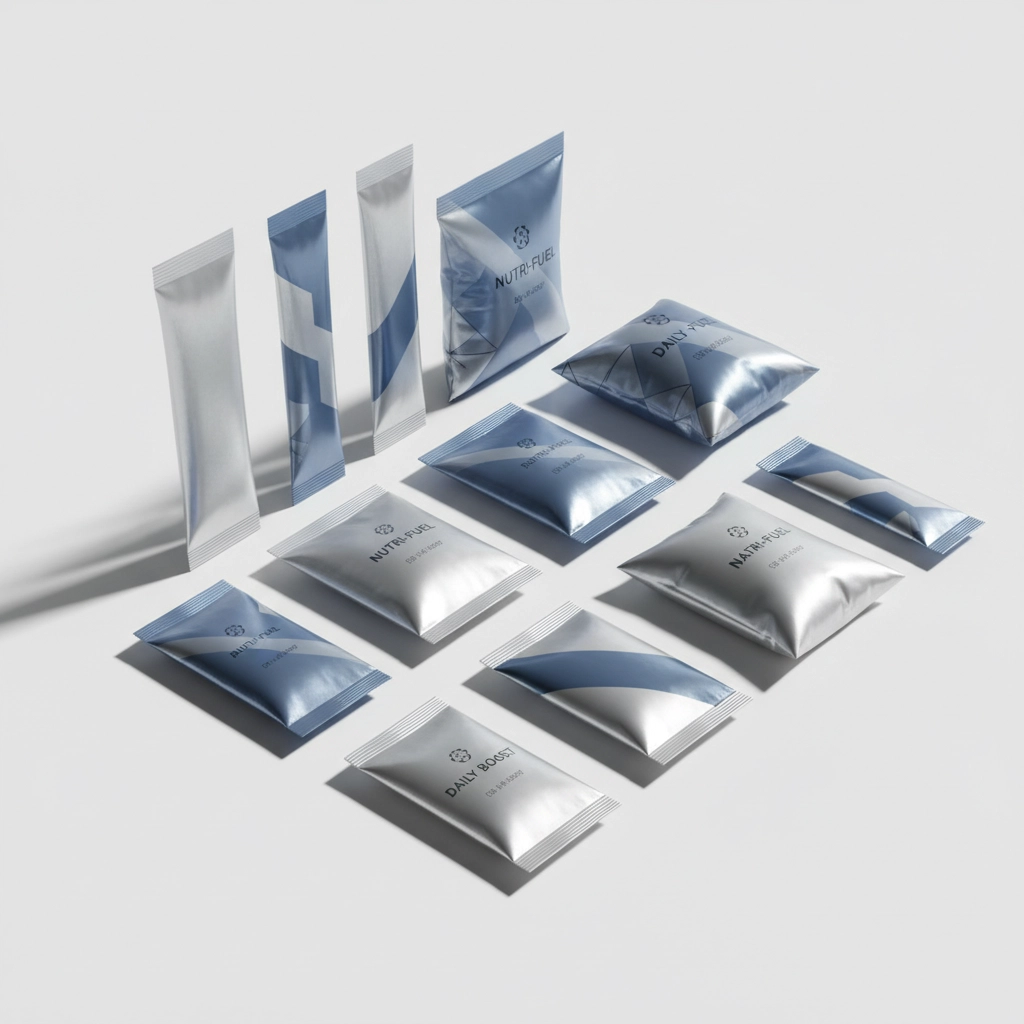
Before you dive into production planning, you need to understand what you're working with. Single serve powder packaging comes in a few different flavors, and each one has its own personality.
Stick packs are probably what you're thinking of: those slim, elegant pouches perfect for protein powders, drink mixes, and supplements. They're like the iPhone of powder packaging: sleek, convenient, and instantly recognizable.
Sachets are your square or rectangular cousins. Think tea bags but for powder. They offer more surface area for branding, which can be clutch if you've got a lot to say on your packaging.
Pillow bags are the chunky option: great for larger serving sizes or when you want that "premium sample" feel.
Each format opens different doors in retail. Stick packs slide perfectly into checkout displays, while sachets work great in subscription boxes. Your format choice isn't just about the product: it's about where you want to sell it.
The Manufacturing Reality Check
Here's where things get real. That stick pack you're holding didn't just magically appear: it went through a pretty sophisticated process that you'll need to understand if you want to scale successfully.
The journey starts with material selection. Your film needs to protect your powder from moisture, light, and oxygen while looking good on the shelf. Most brands go with laminated plastic or aluminum foil combinations, but the exact choice depends on your product's specific needs.
Next comes the forming process. Industrial machines cut your printed film into precise strips, then shape them into tubes using forming equipment. The edges get sealed: either with a lap seal (flat overlap) or fin seal (edges meeting outward). Each has pros and cons for different products.
Filling is where precision matters most. Every single pack needs exactly the right amount of powder. Too little and customers feel cheated. Too much and your costs go through the roof. Modern filling equipment uses auger fillers or volumetric systems to nail this consistency.
The final sealing and finishing creates those tamper-proof seals that keep your product fresh during its journey to customers. Quality machines can even add batch codes and expiration dates on the fly.
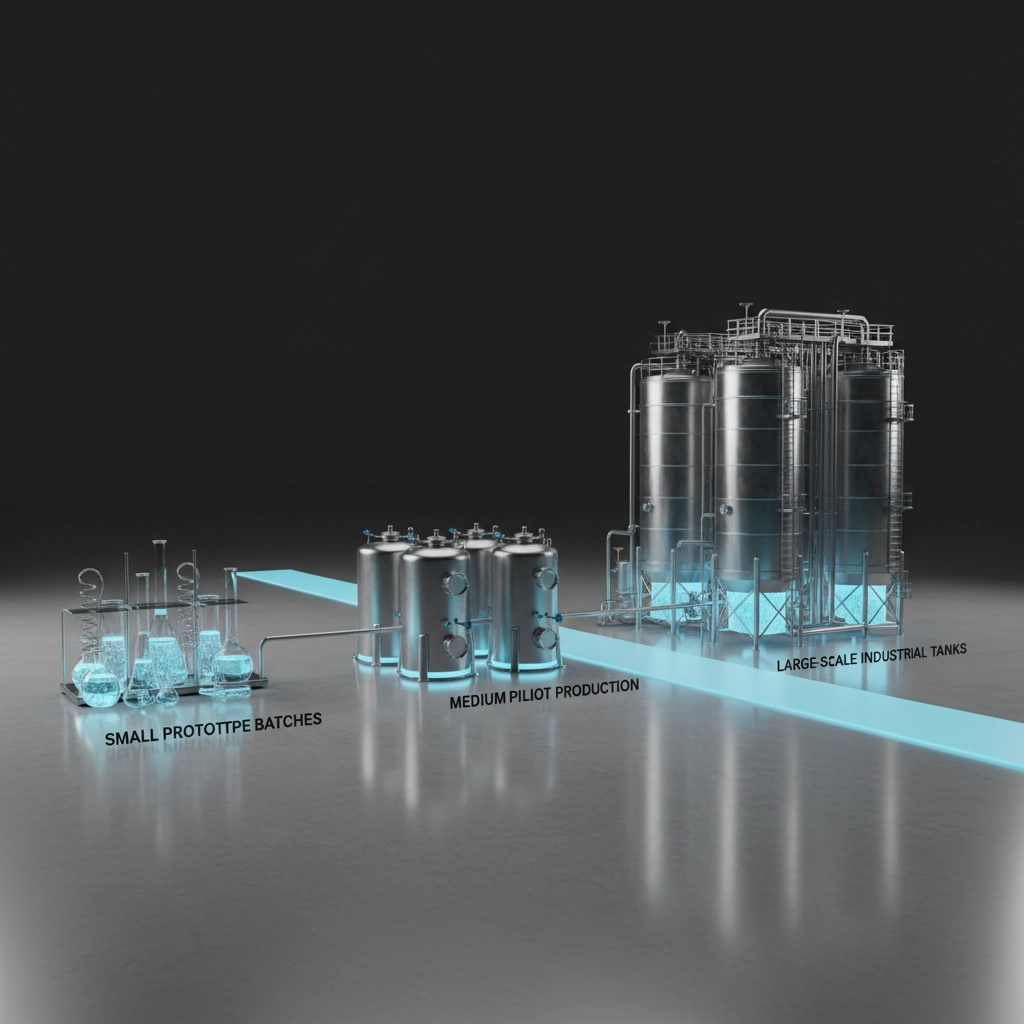
Your Scaling Journey: Three Critical Phases
Phase 1: Prototyping (Your Testing Ground)
This is where you figure out if your great idea actually works in the real world. Most prototyping services handle batches up to 3kg, which gives you enough product to test with real customers without breaking the bank.
During prototyping, you're not just making product: you're learning. How does your formulation behave during filling? Does your packaging material choice actually protect the powder? Are your serving sizes hitting the mark with customers?
Pro tip: Work with prototyping partners who provide testing reports and certificates of analysis. You'll need this documentation later, and it's way easier to get it right from day one.

Phase 2: Pilot Production (Getting Serious)
Once your prototype tests well, it's time for pilot production: usually around 200 liters of capacity. This phase is where you discover all the things that work great at small scale but get wonky when you scale up.
Your formulation might need tweaks. That powder that flowed perfectly in small batches might clump or separate in larger mixing equipment. Your packaging material that looked great on 100 units might reveal printing issues when you hit 1,000 units.
This is also when you start building relationships with your manufacturing partners. The companies you work with during pilot production often become your long-term partners, so choose wisely.
Phase 3: Full Production (Game Time)
Full-scale production means batches of 10,000 liters or more. At this level, everything needs to be dialed in because mistakes get expensive fast.
You'll need comprehensive quality agreements, standardized processes that work every time, and inventory management systems that prevent stockouts. The days of crossing your fingers and hoping everything works out are officially over.
Making Smart Business Decisions
The Equipment Question: Should you buy your own machinery or partner with a co-packer? Here's the reality: industrial stick pack machines cost serious money. For most new brands, partnering with an experienced co-packer makes way more sense initially.
Cost Structure Reality: Single serve packaging costs more per unit than bulk packaging. But here's the thing: it opens doors that bulk can't. Think sample programs, subscription boxes, convenience stores, and checkout displays. The higher per-unit cost often pays for itself through expanded distribution opportunities.
Design Strategy: Your packaging design needs to work overtime in single serve format. You've got limited real estate to communicate your brand story, benefits, and usage instructions. Every square millimeter counts.
Quality Control: Your Non-Negotiable
Quality isn't something you add at the end: it needs to be baked into your process from day one. Weight verification, seal integrity testing, and visual inspection standards should be established during your first prototype runs.
Your customers expect every single pack to deliver the exact same experience. That means consistent fill weights, perfect seals, and packaging that protects your product throughout its entire journey from your facility to their kitchen counter.
If you've been following our other posts about powder blending and filling accuracy, you know that consistency is everything in powder packaging.
Regulatory Reality
Different markets have different rules, and single serve packaging often faces stricter requirements than bulk products. Allergen declarations, nutritional labeling, and product traceability all need to be built into your process from the prototype stage.
The good news? Experienced manufacturing partners know these requirements inside and out. They can guide you through the compliance maze and make sure you're ready for any market you want to enter.

Setting Yourself Up for Success
The brands that scale successfully don't just focus on making more product: they build systems that can grow with them. That means choosing manufacturing partners who can support you from prototype through full production, establishing quality standards that scale, and designing processes that work at any volume.
Your packaging format choice, manufacturing partnerships, and quality systems will determine whether scaling feels like a smooth ramp-up or a series of expensive surprises. Take time to get these fundamentals right, and your future self will thank you.
Remember, every major brand started exactly where you are now. The difference between the ones that made it and the ones that didn't often comes down to making smart scaling decisions early in the journey.
Ready to start your scaling journey? The key is finding partners who understand both the technical requirements and the business realities of bringing new powder products to market. Because at the end of the day, great products deserve great packaging: and your customers deserve consistent quality in every single pack.