
You’re probably making powder blending way harder than it needs to be. Trust me, we’ve seen it all at PowderFill – from dusty disasters to lumpy nightmares that would make even seasoned manufacturers cringe.
The good news? Most of these headaches come down to seven common mistakes that are totally fixable. Even better news? There’s a game-changing approach called mini-blending that solves most of these problems before they spiral out of control.
Let’s dive into what you’re probably doing wrong (don’t worry, we’ve all been there) and how mini-blending can save your sanity – and your product quality.
Mistake #1: Ignoring Your Powder’s Personality
Here’s the thing – every powder has its own personality. Some are clingy, others are antisocial, and some are just plain difficult to work with. But most manufacturers treat all powders the same way, which is like trying to parent identical twins with completely different temperaments.
Your biggest mistake? Not understanding material properties like particle size, density, and flowability. When you mix powders with different characteristics, they don’t play nice together. Larger particles float to the top while fine materials sink to the bottom – it’s called segregation, and it’s the enemy of uniform blends.

How mini-blending fixes it: Mini-blending lets you test small batches first. You can experiment with different powder ratios and mixing sequences without wasting tons of material. Think of it as a dress rehearsal for your main event. You’ll quickly learn which powders need special handling and adjust your process accordingly.
Mistake #2: Playing Fast and Loose with Cleanliness
Dust buildup and leftover residue from previous blends is like having a dirty paintbrush – you’re going to mess up your next masterpiece. Yet so many manufacturers skip proper cleaning between batches or ignore dust accumulation.
This contamination doesn’t just affect quality; it throws off your measurements and creates consistency issues that’ll drive your quality control team crazy.
How mini-blending fixes it: With smaller batches, cleaning becomes much more manageable. You can thoroughly clean equipment between mini-blends without the massive downtime that comes with industrial-scale cleanouts. Plus, less material means less mess – it’s basic math.
Mistake #3: Creating the Dreaded “Fish Eyes”
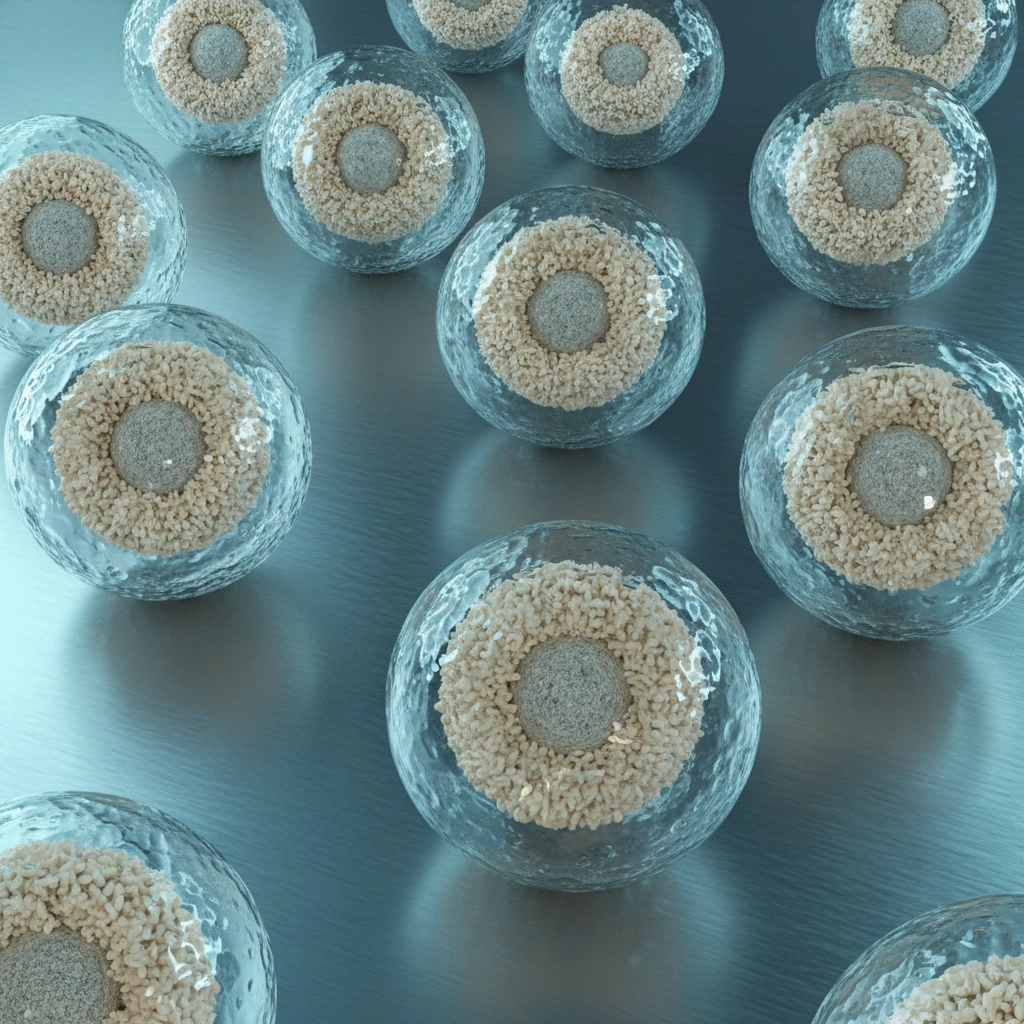
Those lumpy, gelled disasters that look like fish eyes? Yeah, those happen when powders meet liquids too quickly. The outside gels while the inside stays bone dry, creating chunks that take forever to dissolve – if they ever do.
This agglomeration nightmare increases your mixing time, wastes energy, and can ruin your final product’s texture and performance.
How mini-blending fixes it: Mini-blending gives you precise control over how and when you introduce liquids to powders. You can add small amounts gradually, monitor the mixing process closely, and perfect your technique before scaling up. No more fish eye surprises.
Mistake #4: Using the Wrong Tools for the Job
This one’s painful to watch. Manufacturers trying to use ribbon blenders for materials that need high-shear mixing, or forcing heavy materials through equipment that can’t handle the load. It’s like trying to cut a steak with a butter knife – technically possible, but you’re making life unnecessarily difficult.
The wrong mixer type, paddle design, or vessel size will sabotage your results before you even start.
How mini-blending fixes it: Mini-blending equipment is typically more versatile and easier to switch out. You can test different mixing methods – high-shear, ribbon mixing, fluidized bed – on small batches to see what works best for your specific materials. Once you nail the process, scaling up becomes straightforward.
Mistake #5: Going Too Slow (Or Too Fast)
Speed kills – but so does going too slow. Many manufacturers either blast their powders at maximum speed (creating dust storms and air incorporation) or crawl along at speeds that barely move the material.
Insufficient mixing speed means poor blending and longer processing times. Too much speed creates aeration, dust, and can actually separate your blend instead of mixing it.
How mini-blending fixes it: With smaller quantities, you can safely experiment with different speeds and find the sweet spot for each material. You’ll waste less product during testing and can dial in the perfect parameters without the pressure of a full production run watching you.
Mistake #6: Throwing Out the Manual
Manufacturers love to wing it. They’ll ignore technical specifications, skip recommended mixing times, and improvise with equipment settings. Then they wonder why their batches are inconsistent.
Your powder suppliers spent serious time and money developing those specs. Ignoring them is like throwing away free consulting advice.
How mini-blending fixes it: Mini-blending makes it easier to follow specs precisely. You can measure smaller quantities more accurately, maintain tighter process control, and actually see the results of following (or not following) the guidelines. It’s like having training wheels until you master the process.
Mistake #7: Fighting Air and Foam
Air incorporation and foaming are the silent killers of powder blending. You might not notice them during mixing, but they’ll haunt you later with poor flow, caking, and inconsistent density.
Poor flow qualities make everything downstream more difficult – from filling containers to maintaining batch-to-batch consistency.
How mini-blending fixes it: Smaller batches mean better process visibility. You can actually see when air incorporation happens and adjust your technique in real-time. Mini-blending also reduces the violent mixing action that often causes aeration in large-scale operations.

Why Mini-Blending Is Your Secret Weapon
Here’s what makes mini-blending so powerful: it’s like having a laboratory attached to your production floor. You get all the benefits of small-scale testing with the ability to quickly scale successful processes.
The beauty is in the control. You can:
- Perfect your process before committing to large batches
- Reduce waste during development
- Catch problems early when they’re cheap to fix
- Train operators on new processes without expensive mistakes
- Validate formulations quickly and efficiently
Making Mini-Blending Work for You
Ready to give mini-blending a shot? Start with your most challenging blends – the ones that give you the most headaches. Set up small-scale testing protocols and document everything: speeds, times, addition sequences, environmental conditions.
The goal isn’t perfection on day one. It’s building a systematic approach to understanding your materials and processes. Each mini-blend teaches you something that makes the next one better.
Your Next Steps
Stop fighting these seven mistakes and start using them as learning opportunities. Mini-blending gives you the perfect laboratory to experiment, learn, and perfect your powder blending processes without the high stakes of full production runs.
Whether you’re dealing with stubborn agglomeration, mysterious segregation, or just inconsistent results that keep you up at night, mini-blending can help you crack the code. Start small, think big, and watch your powder blending transform from frustrating guesswork into predictable science.
Ready to revolutionize your powder blending process? Contact PowderFill today and let’s talk about how mini-blending can solve your specific challenges. Because life’s too short for lumpy powders and inconsistent blends.