
Let's be real, you've probably seen those colorful powder packets taking over your social media feed. Green powders in mason jars, protein blends in sleek shakers, and mysterious mushroom mixes promising to turn you into a wellness guru. Welcome to the world of functional food powders, and trust me, it's way bigger than you think.
What Exactly Are Functional Food Powders?
Think of functional food powders as your health goals in convenient, scoopable form. These aren't your grandpa's protein powders from the '80s. Today's functional powders are sophisticated blends of bioactive compounds, vitamins, minerals, probiotics, amino acids, dietary fibers, and natural plant extracts, all working together to give you specific health benefits.
Instead of just filling you up, these powders are designed to fill gaps. Need better gut health? There's a powder for that. Want glowing skin? Yep, there's one for that too. Feeling stressed and need some adaptogenic support? You guessed it, powder form available.
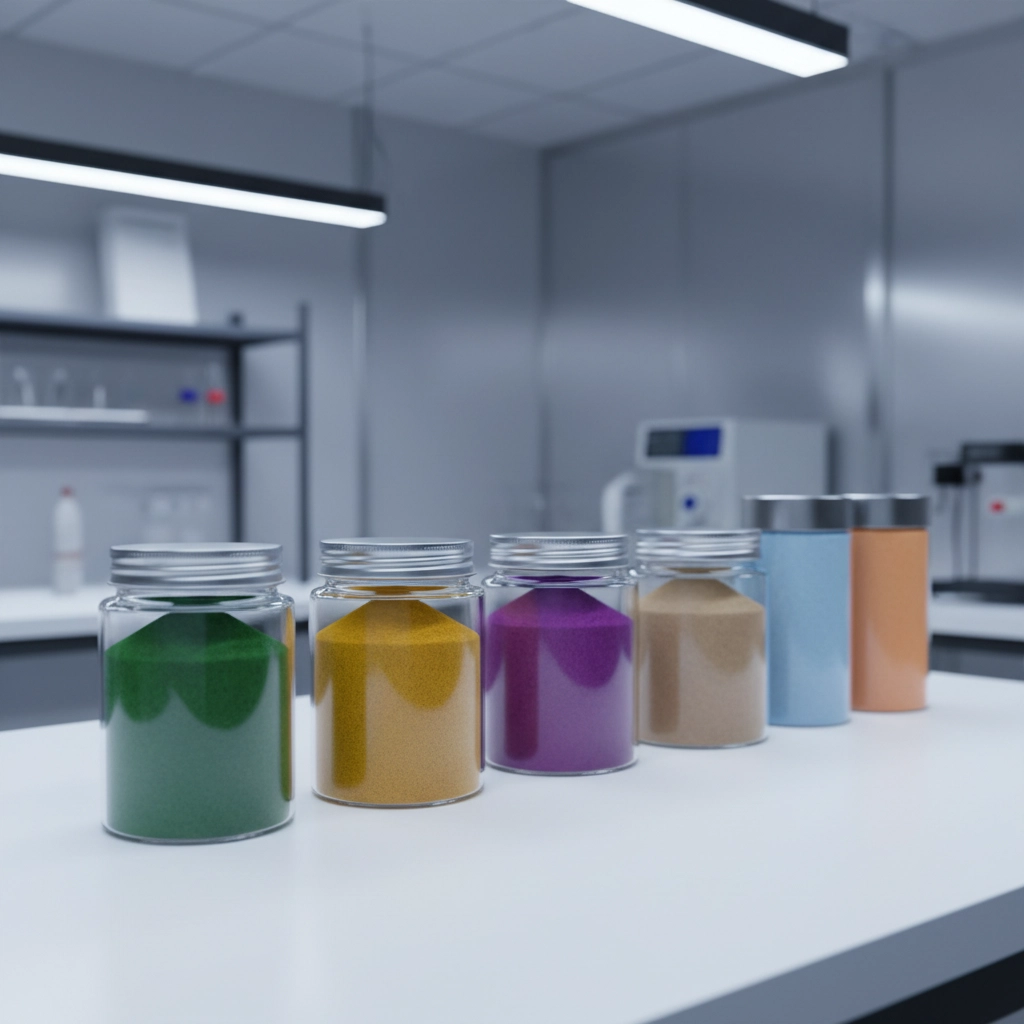
The beauty is in the convenience. You can mix them into smoothies, stir them into your morning oatmeal, or even bake them into energy balls. No pills to swallow, no complicated routines, just scoop, mix, and go.
The Numbers Don't Lie: This Market Is Exploding
Here's where things get interesting. The superfood powders market hit approximately $7.8 billion in 2025 and is projected to reach $15.1 billion by 2035. That's a whopping 6.8% annual growth rate, which in business terms means "everyone wants in on this action."
But here's the kicker, this is just the powder segment. The broader functional foods market is growing even faster at 8.5% annually, reaching $678.3 billion by 2032. Yeah, you read that right. Billion with a B.
What does this mean for you? Whether you're a brand looking to launch your own line or a consumer trying to understand why these powders are everywhere, you're looking at one of the hottest food trends of the decade.
Breaking Down What's Actually In These Powders
Let's peek under the hood and see what's driving all this growth. The functional foods sector is powered by some pretty specific nutrients, and understanding these can help you make sense of what you're buying (or what you should be creating).
Vitamins lead the pack with 30% of the market share. Makes sense, we've been conditioned to think "vitamins = healthy" since we were kids. But today's vitamin powders aren't just basic multivitamins. They're targeted blends like vitamin D3 with K2 for bone health, or B-complex with adaptogens for energy support.
Carotenoids come in second at 24% market share. These are the antioxidants that give fruits and vegetables their vibrant colors, think beta-carotene from carrots or lycopene from tomatoes. They're the Instagram-worthy ingredients that make your smoothie look like a sunset.
Dietary fiber holds 14% of the market. This isn't just about keeping things moving (though that's important too). Modern fiber powders include prebiotics that feed your good gut bacteria, creating a happy microbiome that affects everything from your mood to your immune system.
Minerals account for 13%, and probiotics and prebiotics round out the top categories at 5%. But don't let that small percentage fool you, gut health is absolutely mainstream right now, and these powders are leading the charge.
Who's Actually Using These Things?
The short answer? Pretty much everyone, but let's get specific.
The Wellness Warriors are your obvious early adopters. These are the people who meal prep on Sundays, track their macros, and can pronounce "ashwagandha" without stumbling. They're looking for targeted solutions, collagen for skin, mushroom blends for focus, or green powders for overall nutrition insurance.
Busy Professionals make up a huge segment. When you're grabbing coffee at 6 AM and won't see food again until lunch, a functional powder in your morning smoothie becomes a lifeline. They want convenience without compromising their health goals.
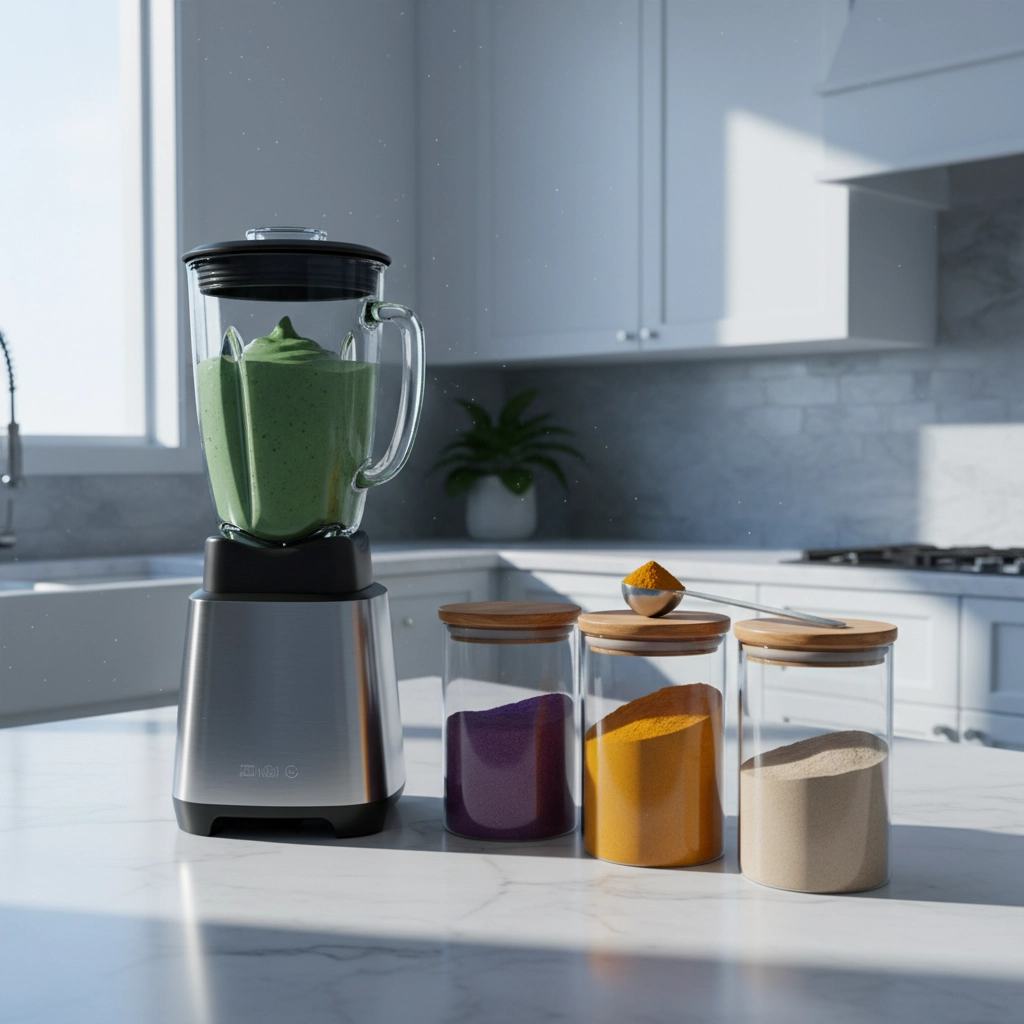
Parents are jumping on board too. Getting kids to eat their vegetables is hard; mixing a tasteless green powder into a chocolate smoothie? Much easier. Plus, many parents are using these powders themselves as a way to ensure they're getting proper nutrition while managing family chaos.
Athletes and Fitness Enthusiasts have evolved beyond basic protein powders. They want recovery blends with anti-inflammatory ingredients, pre-workout formulas with natural energy boosters, and post-workout mixes that actually taste good.
The Convenience Factor Changes Everything
Here's what makes functional food powders different from traditional supplements: they integrate seamlessly into your existing routine. You don't need to remember to take pills or dramatically change your diet.
Want to add probiotics to your routine? Stir some powder into your yogurt. Need more protein but hate protein bars? Blend powder into a smoothie that actually tastes like dessert. Looking for stress support? Add adaptogenic mushroom powder to your coffee, yes, it's a thing, and yes, it works.
This convenience factor is huge for busy lifestyles. You're not adding another task to your day; you're enhancing something you're already doing.
What's Next: Trends to Watch
The functional powder space is evolving fast. Personalization is becoming huge: think custom powder blends based on your specific health goals, dietary restrictions, or even genetic testing results.
Sustainability is also driving innovation. Brands are focusing on plant-based sources, minimal processing, and eco-friendly packaging. Your powder might be saving the planet while it's boosting your health.

Taste improvement continues to be a major focus. Early functional powders tasted like dirt (let's be honest), but today's formulations actually taste good. Some brands are even creating powders that enhance the flavor of whatever you're adding them to.
Targeted formulations are getting more specific. Instead of general "wellness" blends, you're seeing powders for very specific outcomes: sleep optimization, cognitive enhancement, hormonal balance, or athletic recovery.
Getting Started: What Should You Know?
If you're new to functional food powders, start simple. Don't try to overhaul your entire nutrition routine overnight. Pick one specific goal: maybe better digestion or more energy: and find a powder that addresses that.
Look for third-party testing and certifications. The supplement industry isn't as regulated as pharmaceuticals, so you want brands that voluntarily test their products for purity and potency.
Pay attention to serving sizes and instructions. More isn't always better, and some ingredients work best when taken consistently over time rather than in large doses.
Consider your existing diet and supplements. You don't want to double up on nutrients or create interactions. When in doubt, talk to a healthcare provider, especially if you have existing conditions or take medications.
The Bottom Line
Functional food powders aren't just a trend: they're a response to real needs in our modern lives. We want better health, but we also want convenience. We want targeted solutions, but we don't want to swallow a handful of pills every morning.
The $7.8 billion market isn't just about clever marketing (though there's plenty of that). It's about products that actually fit into how we live today. Whether you're a brand looking to enter this space or a consumer trying to navigate the options, understanding this market helps you make better decisions.
The functional food powder revolution is just getting started. With growing awareness of gut health, personalized nutrition, and the connection between food and overall wellness, expect this market to keep expanding. The question isn't whether functional powders will stick around: it's which ones will rise to the top and actually deliver on their promises.
So next time you see someone mixing green powder into their morning smoothie, know that you're witnessing a small part of a massive shift in how we think about food, health, and convenience. And honestly? It's pretty exciting to be part of it.