
Let's be real, stick pack packaging looks like the perfect solution for your supplement brand. It's sleek, portable, and screams "premium." But here's the thing: if you're not careful, those seemingly innocent little packets can quietly drain your profits and damage your brand reputation.
Don't worry, I'm not here to scare you away from stick packs entirely. They can be absolutely fantastic when done right. But I've seen too many supplement brands get blindsided by hidden costs they never saw coming. Let's dive into what you really need to know.
The Volume Trap That Gets Everyone
Here's where most supplement brands trip up right out of the gate: assuming stick packs will automatically save them money. Plot twist, they won't, at least not initially.
Stick packs only become cost-effective when you hit serious production volumes. We're talking 500,000+ units annually before you start seeing real savings. Below that threshold? You're actually looking at 10-15% higher costs compared to traditional sachets.
Think of it like buying in bulk at Costco. Sure, that 48-pack of protein bars is cheaper per unit, but only if you're actually going to use all 48 before they expire. Same logic applies here.
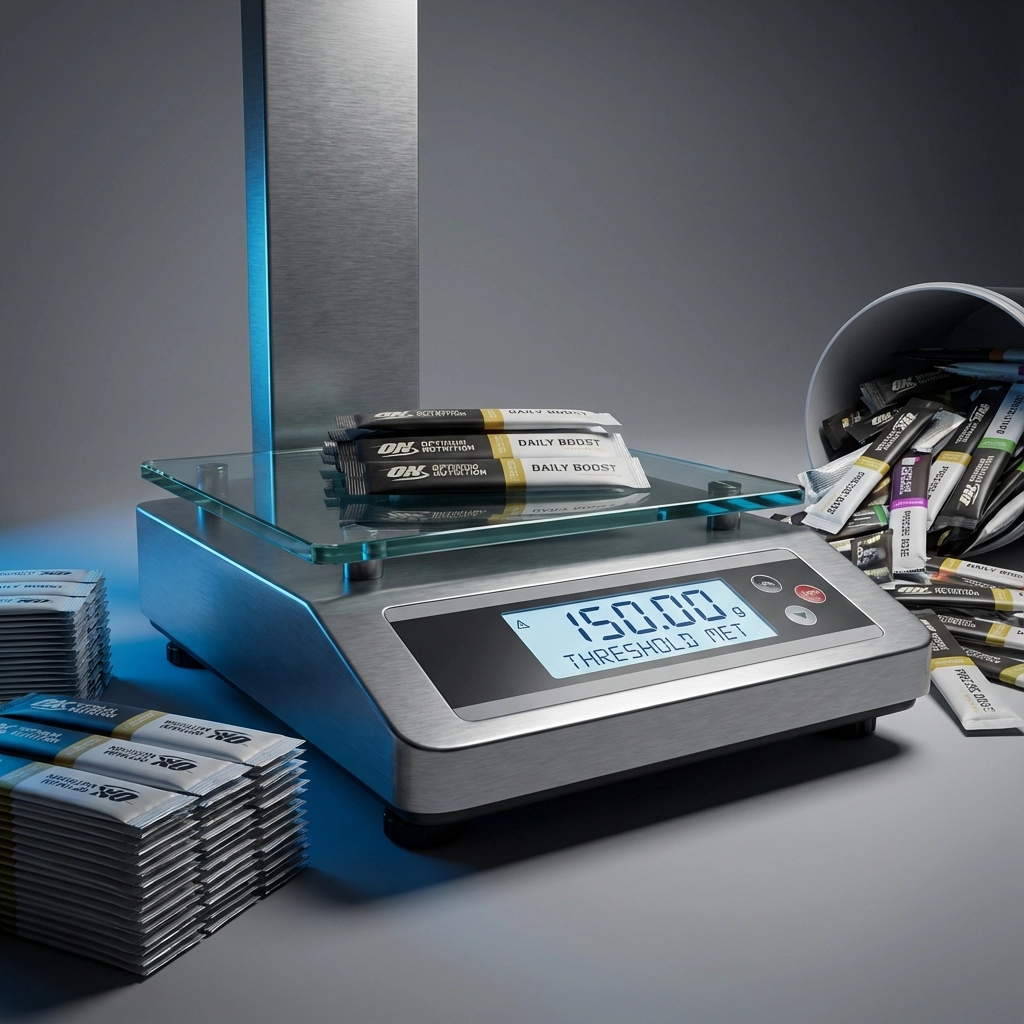
Once you cross that magical 1-2 million unit threshold, stick packs become your best friend with 8-12% lower total costs. But getting there requires a leap of faith, and some serious upfront investment.
The Equipment Reality Check
Here's something nobody tells you upfront: stick packs require automated filling equipment. Period. There's no "let's start small and hand-fill these" option like you might have with other packaging formats.
This creates what I like to call the "automation tax." You either need to invest in your own filling machinery (hello, major capital expenditure) or partner with a co-packer. Going the co-packer route typically adds 15-30% to your production costs, depending on their minimums and fee structure.
It's like wanting to bake a single cookie but needing to buy an industrial oven to do it. The math just doesn't work until you're ready to bake thousands of cookies.
Quality Control Nightmares
When stick pack packaging goes wrong, it goes really wrong. Poor manufacturing can turn your beautiful product into a leaky, messy disaster that customers definitely won't be reordering.
Standard film waste during production runs about 5-8% for well-executed stick packs. But cut corners on design or manufacturing quality? That number can skyrocket, taking your margins with it.

Even worse is when stick packs fail in the field. Inadequate seals lead to:
- Product spillage during shipping
- Moisture getting in and degrading your supplements
- Customers getting frustrated when they can't dispense the full dose
- Negative reviews that tank your Amazon ranking
Remember, supplement consumers expect pharmaceutical-grade precision. When your packaging fails, it doesn't just cost you one sale: it costs you that customer's lifetime value.
The Dosing Accuracy Problem
Your customers chose stick packs because they want consistent, accurate dosing. When your packaging can't deliver that, you've broken a fundamental promise.
Quality stick packs should deliver 15-20% better measurement accuracy than alternatives. But poorly designed ones create the opposite effect: uneven fill weights, powder getting stuck in corners, and inconsistent dosing that undermines your product's effectiveness.
This is especially critical for functional supplements where customers expect consistent results. If your pre-workout powder delivers different amounts each time, you're going to hear about it in your reviews.
Storage and Shipping Surprises
On paper, stick packs offer 20-25% better space utilization for shipping. In reality? Only if everything goes perfectly.
Improperly packed stick packs can collapse, tear, or shift during transit. Suddenly your space savings disappear, and you're dealing with damaged inventory and unhappy customers.
Plus, those lightweight packets can be surprisingly tricky to track and manage in your warehouse. It's easier to lose a handful of stick packs than a box of bottles, which can create inventory headaches down the line.

Material Selection Matters More Than You Think
Here's where penny-pinching really comes back to bite you. Supplements need high-barrier protection against moisture, oxygen, and light. Skimp on material quality, and you're essentially selling degraded products.
Lower-grade laminate or thin films might save you a few cents per unit upfront, but they'll cost you when customers receive supplements that don't deliver expected results. For supplement brands, product efficacy is everything: compromise that, and you're toast.
Think of your packaging material as insurance for your product. You can go cheap, but don't be surprised when you need to file a claim.
The Minimum Order Quantity Reality
Custom-printed stick packs typically come with minimum orders of 20,000-30,000 units. That's a significant chunk of capital tied up in inventory, especially for smaller brands.
What happens when you need to tweak your formula? Update your label design? Pivot based on market feedback? You're stuck with thousands of obsolete packages that represent pure loss.
This working capital requirement is often overlooked in initial cost calculations, but it can seriously impact your cash flow and flexibility as you grow.

Brand Perception Pitfalls
Stick packs can position your brand as premium and convenient: or cheap and gimmicky. The difference often comes down to execution quality and customer education.
If customers perceive your stick packs as low-quality or environmentally unfriendly, you've actually damaged your brand positioning instead of enhancing it. This is particularly risky in today's market, where 68% of consumers prioritize eco-friendly packaging in their purchasing decisions.
The solution isn't avoiding stick packs: it's ensuring your packaging quality and sustainability messaging align with your brand values.
Making Smart Stick Pack Decisions
Don't let these hidden costs scare you away from stick packs entirely. They can be incredibly effective when implemented thoughtfully. Here's what successful supplement brands do differently:
Start with volume projections. Be brutally honest about your production timeline. If you're not hitting 500,000+ units within 18 months, stick packs might not be your best move yet.
Invest in quality from day one. Cutting corners on materials or manufacturing will cost you more in the long run through returns, complaints, and brand damage.
Partner with experienced co-packers. Working with a specialist who understands supplement packaging can help you avoid many of these pitfalls while you scale to sustainable volumes.
Plan for growth. Factor minimum order quantities and inventory requirements into your cash flow projections from the start.
The bottom line? Stick pack packaging can be a game-changer for supplement brands, but only when you understand the true costs and plan accordingly. Rush into it without proper preparation, and those hidden costs will add up fast.
Take your time, do your homework, and make sure stick packs align with both your current reality and future growth plans. Your profit margins: and your customers( will thank you for it.)